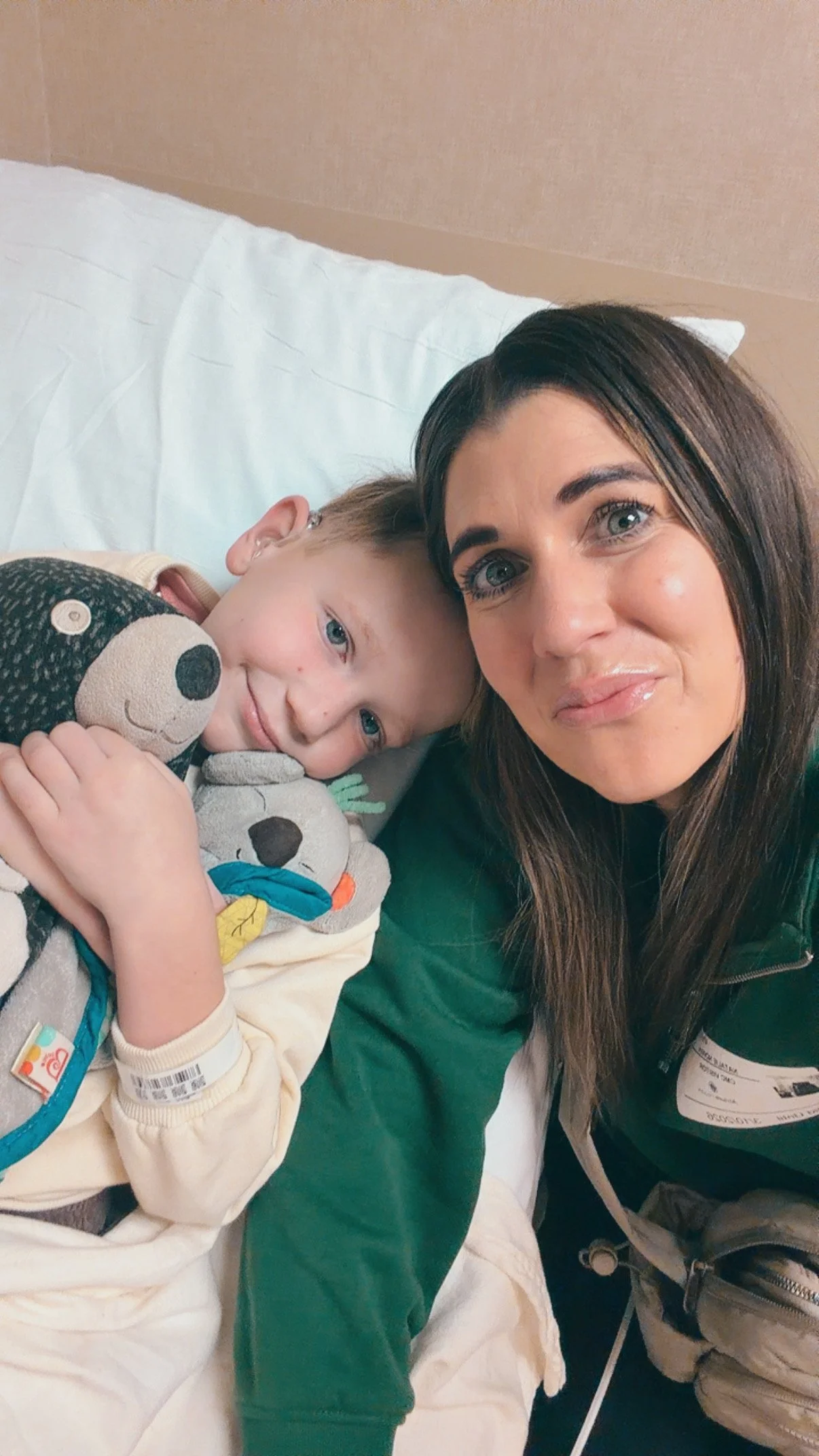
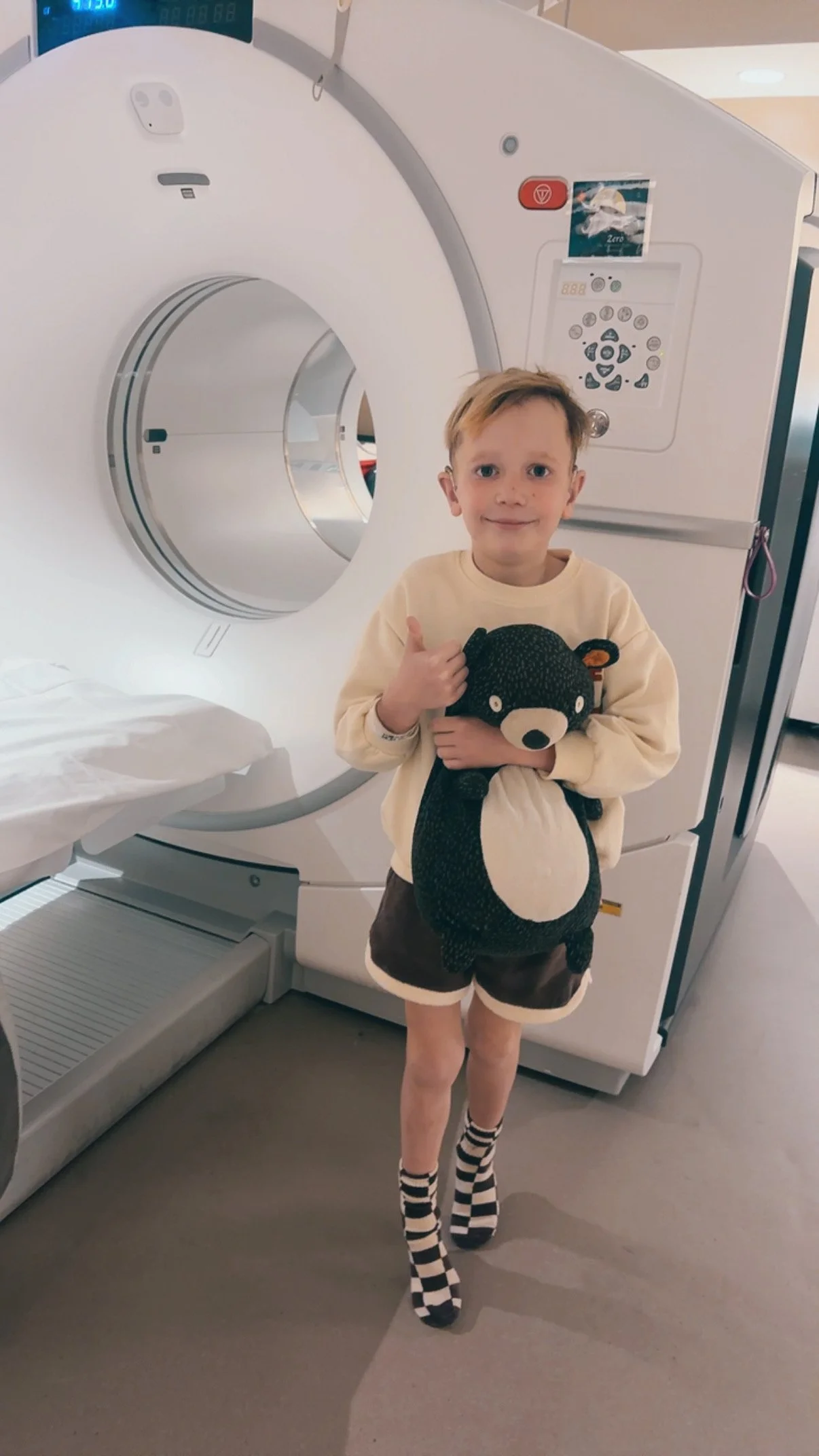
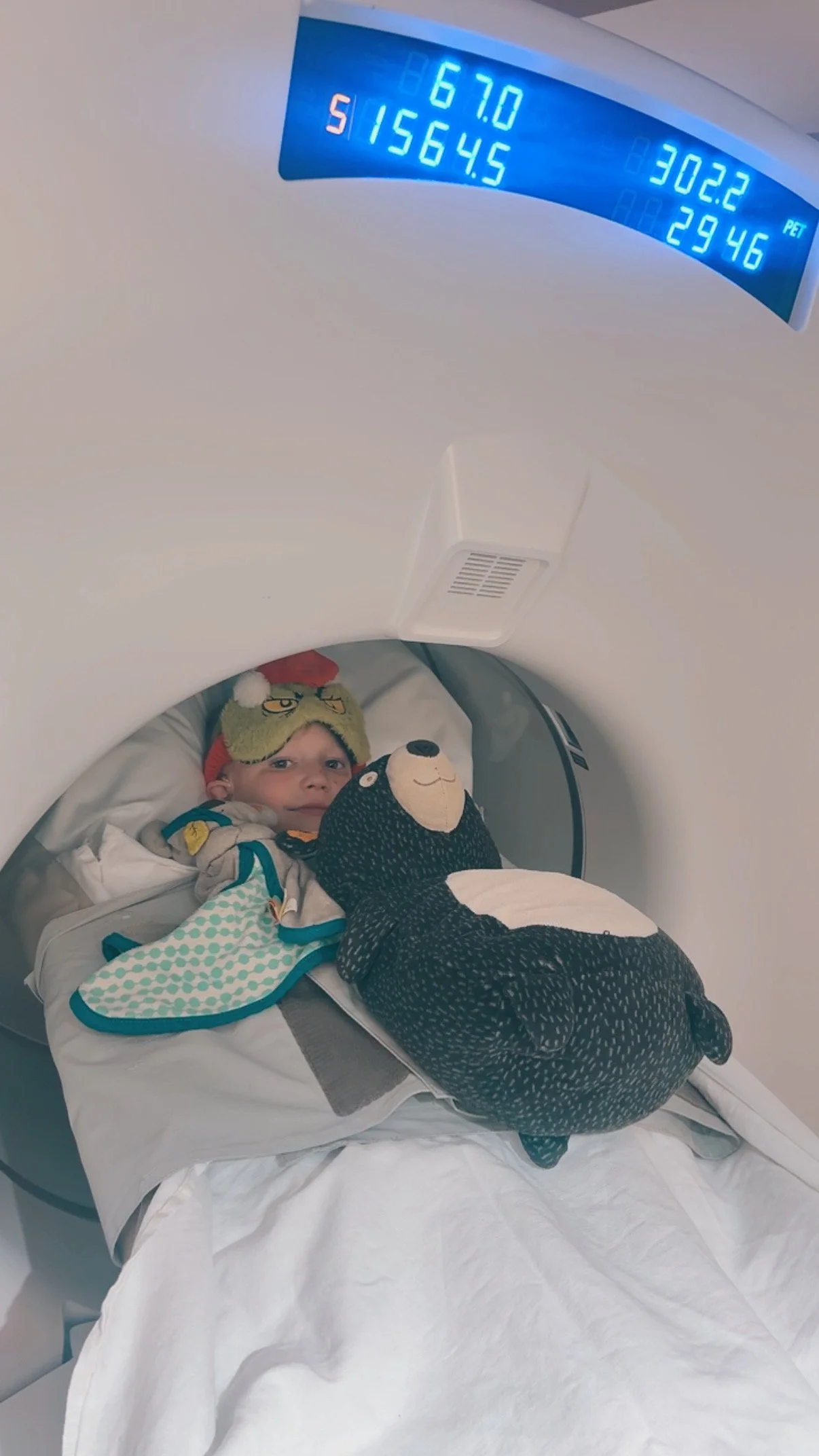
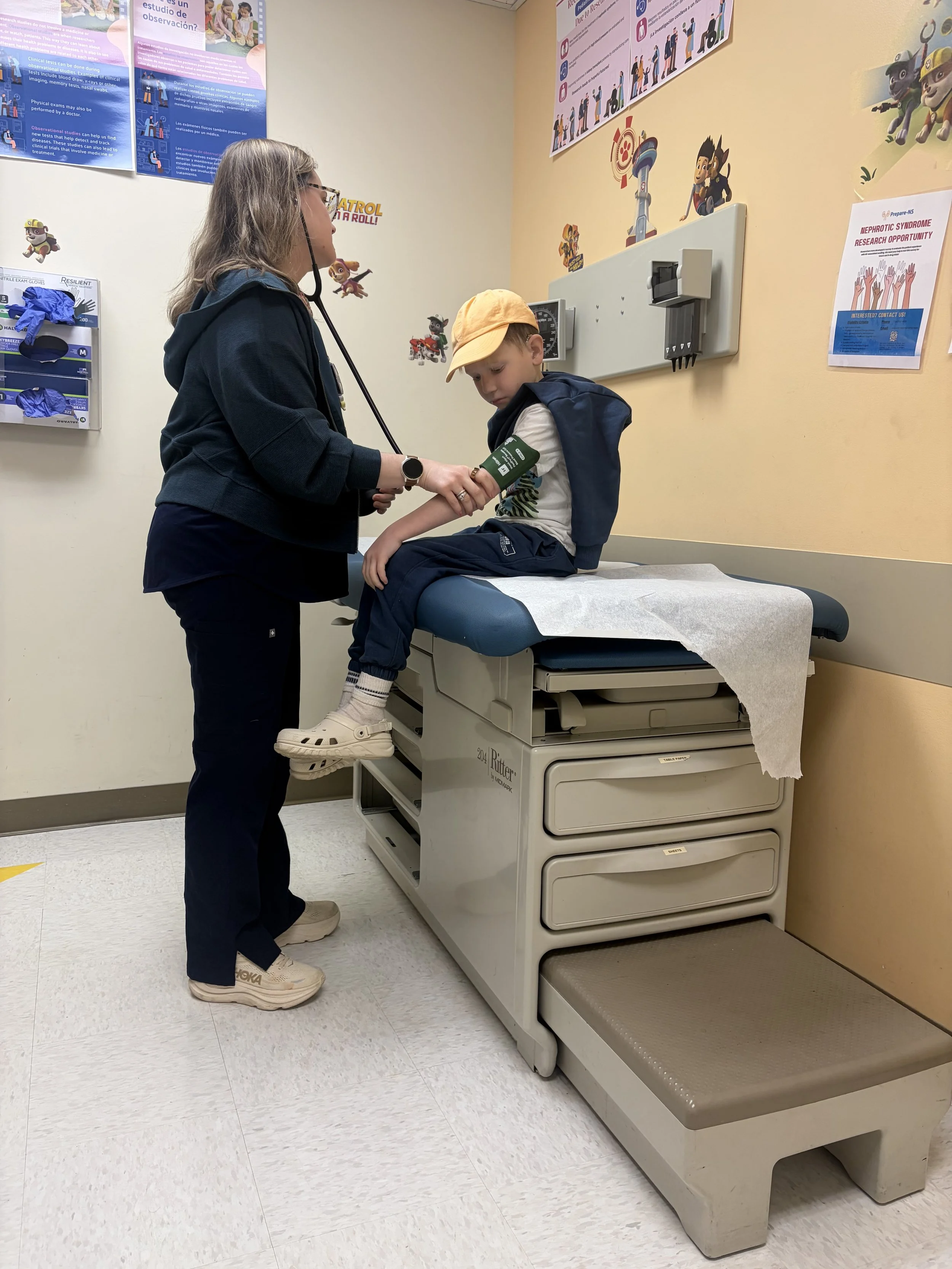
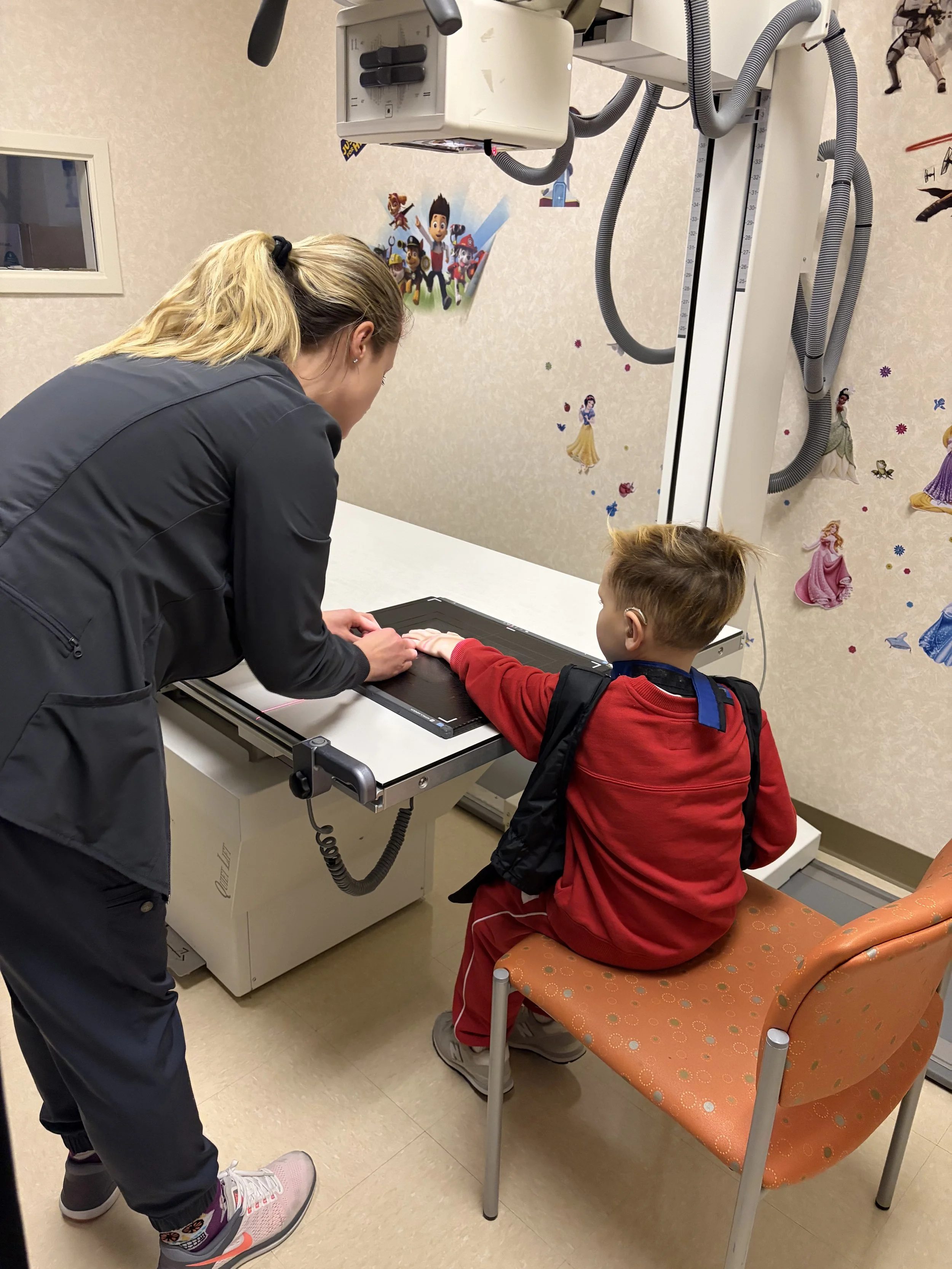
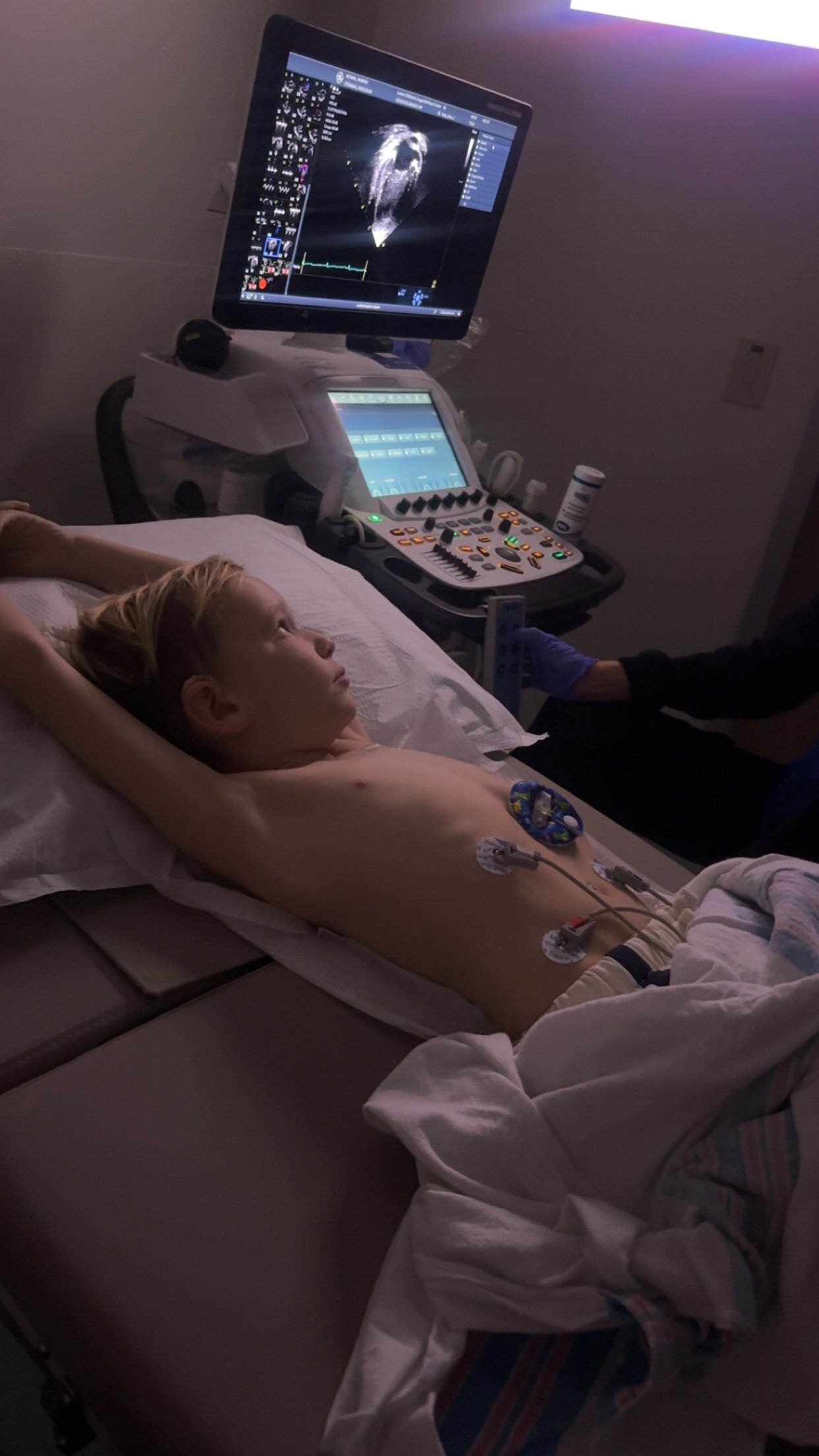
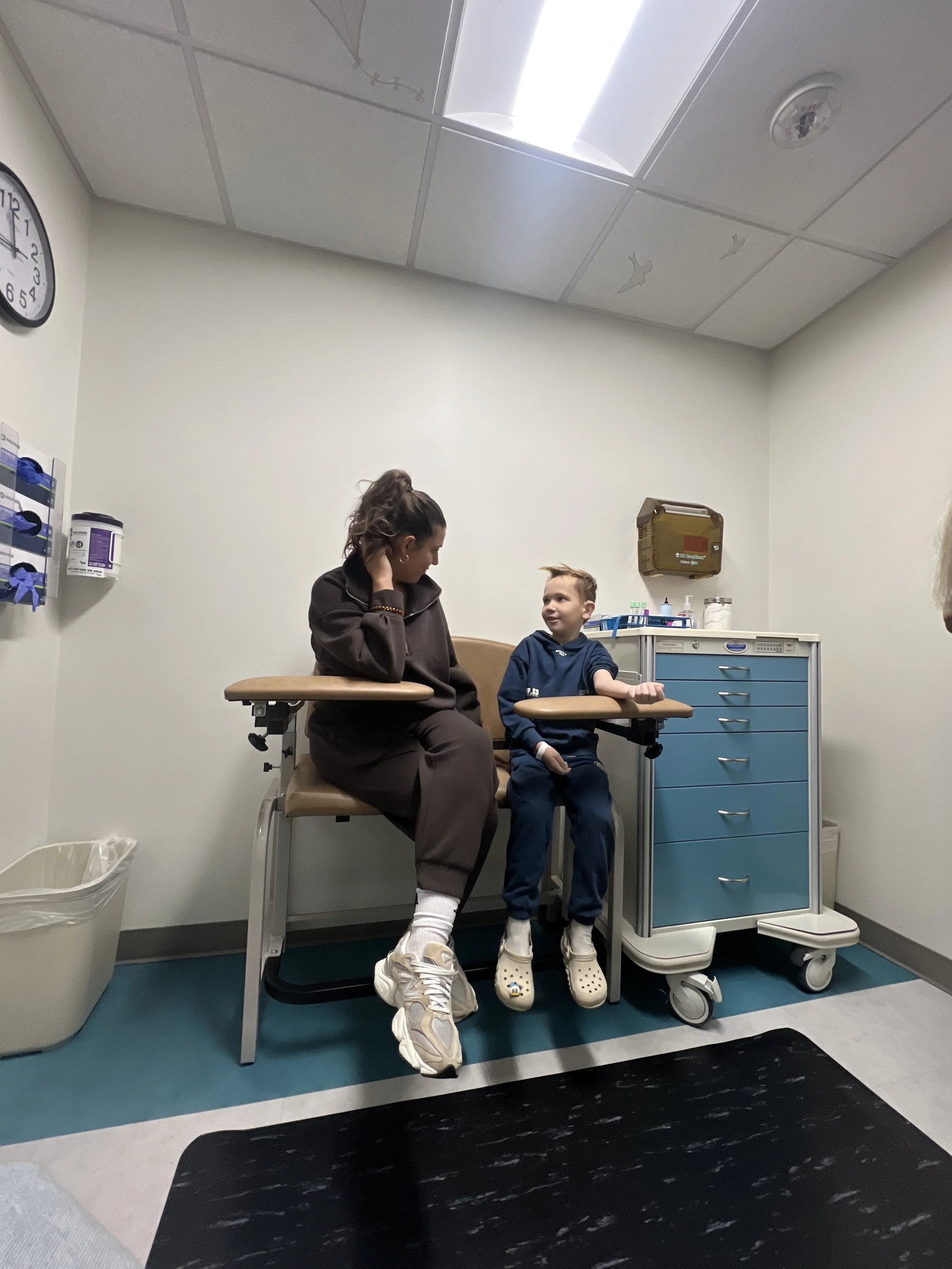
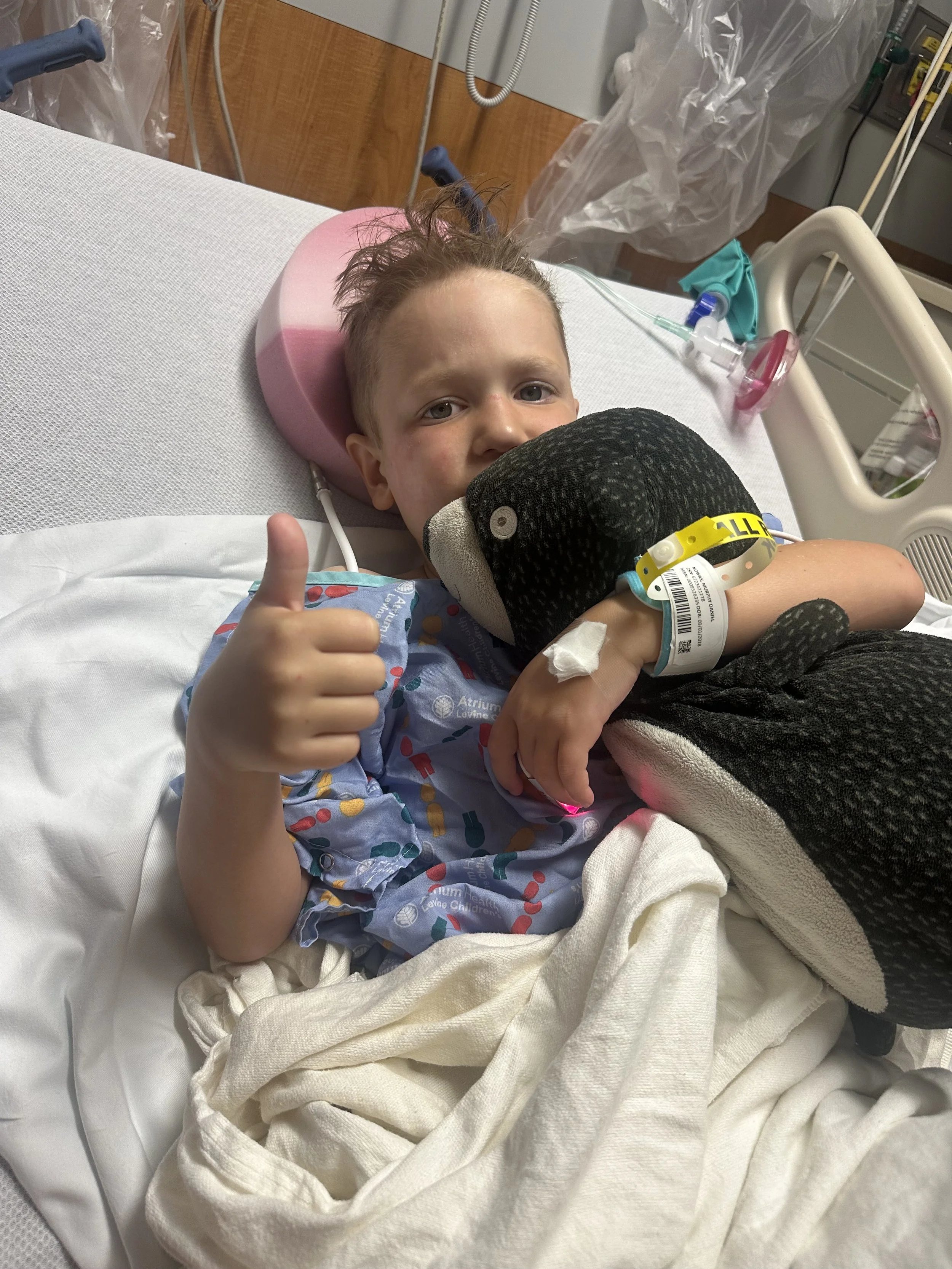
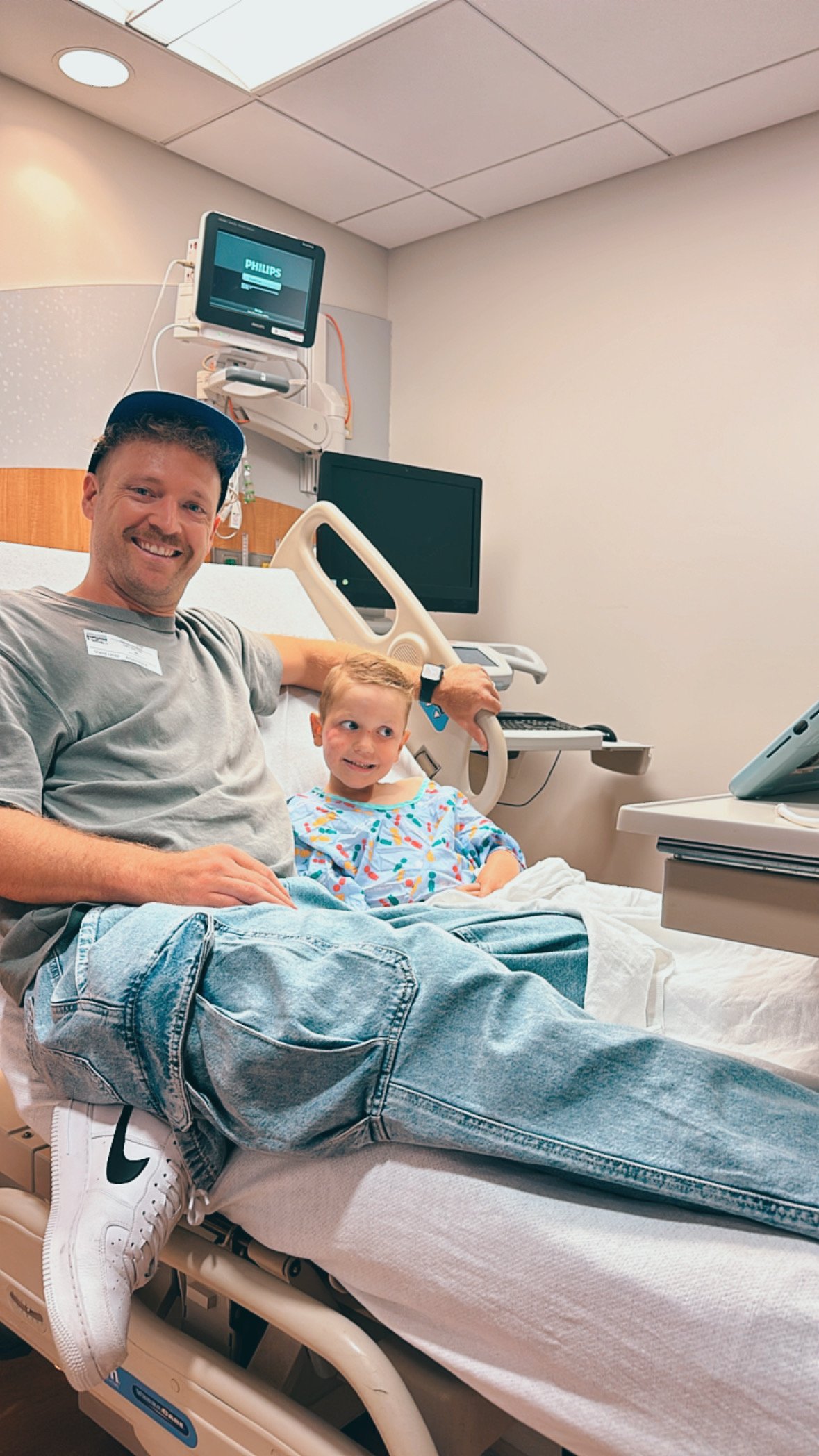
From the first few minutes, I was struck with mixed emotions. I didn't want to be there learning about this disease or for Murphy to have gone through it. But I was also in a room with 50 other parents, listening to world leaders fighting for a cure. That emotional moment returned regularly as memories swept me back to Murphy's toughest fight between 2022 and 2024—the effects he still experiences today. The medications, scans, weight loss, muscle depletion, complications—the list goes on.
Key Learnings
Let me share some of what I learned over those two days:
Medical Advancements: If Murphy was born 30-50 years ago, his chances of survival would have been drastically different. There have been huge advancements in the COG (Children's Oncology Group) protocol.
Ongoing Research: Doctors and investigators aren't resting. They're still not satisfied with current survival rates or the toxicity of existing treatments.
Three Promising Trials:
CAR T Cell Therapy: Led primarily by St. Jude Hospital, this treatment is mind-blowing when you understand how it works.
DFMO: Recently approved for use but still under trial to explore additional applications within the protocol.
Vaccine: A single-site study from Memorial Sloan Kettering (MSK) Hospital showing promising results.
Late Effects Studies: Growing focus on reducing treatment toxicity. Current treatments can cause reduced growth, kidney issues, and lung problems.
Combined Treatments: Chemotherapy and immunotherapy together—once considered impractical 20 years ago—is now being tested worldwide. At MSK, they're using different induction treatments hoping to avoid high-dose chemo rounds that accompany stem cell transplants. This was difficult to hear, as Murphy's hearing loss is directly linked to those early treatments.
Improved Scanning: MFBG scans are showing great results, meaning future patients won't need iodine infusions 24 hours before scans, and scan duration will drop from 2 hours to 10 minutes. Imagine how much less medication Murphy would have needed!
Liquid Biopsies: Nat and I were excited about these findings. CHOP has developed a test using small patient samples to discover ctDNA (circulating tumor DNA). This can track and detect disease earlier, meaning earlier treatment and hopefully more lives saved.
Reality Check
As positive as this information was, we also heard the harsh reality: while doctors work to beat cancer, the cancer itself is getting smarter against new treatments.
What moved me most was hearing each presenter share their journey into neuroblastoma research. Each time, I was a mess. At one point, I had to go to the back of the room to collect tissues for Nat. We weren't moved by the science of discoveries, but by the people who have dedicated their lives to fighting this disease. Their sacrifice is truly inspirational.